Trump Tower: The Glass Spire That Redefined Fifth Avenue
rump Tower doesn't just occupy a corner of Fifth Avenue—it dominates it. The 58-story skyscraper, completed in 1983, broke nearly every rule of Manhattan's zoning playbook. Its dark glass facade, zigzagging setbacks, and 30-foot waterfall in the lobby signaled a new kind of luxury architecture: loud, unapologetic。and designed for maximum attention. I've walked past it hundreds of times, and it still feels like a monument to one man's ego—polished, confrontational, impossible to ignore.The building's retail atrium, a six-story public space that Trump famously fought to keep open, now houses Gucci and other high-end tenants. That fight is telling: Trump Tower was never just a residential address. It was a branding exercise. The apartments—starting on the 30th floor。above the commercial base—attract a mix of celebrities, international buyers, and, during Trump's presidency, a steady stream of political tourists. I once watched a family from Ohio pose for photos next to the gold-lettered 'Trump Tower' sign as if it were a theme park attraction. That's the thing about this place: it blurs the line between real estate and spectacle.Architect Der Scutt's design borrowed from the Hollywood Regency style—mirrors, brass, pink marble—but the scale is pure Manhattan. The tower's massing steps back from the street, creating terraces that offer views of Central Park and the Empire State Building. Critics have called it vulgar;supporters call it bold. My own take: Trump Tower is at its best at dusk, when the glass reflects the sunset and the waterfall glows from within. At street level, though, the black granite base feels oppressive, almost bunker-like. That contrast—glamour above。fortress below—sums up the building's odd charisma.Its legacy is complicated. Trump Tower helped catalyze the transformation of Fifth Avenue into a global luxury corridor, but it also became a political landmark. After 2015, the lobby's security barriers and protestors outside became as much a part of the scene as the waterfall. The building still operates as a mixed-use property—residences。
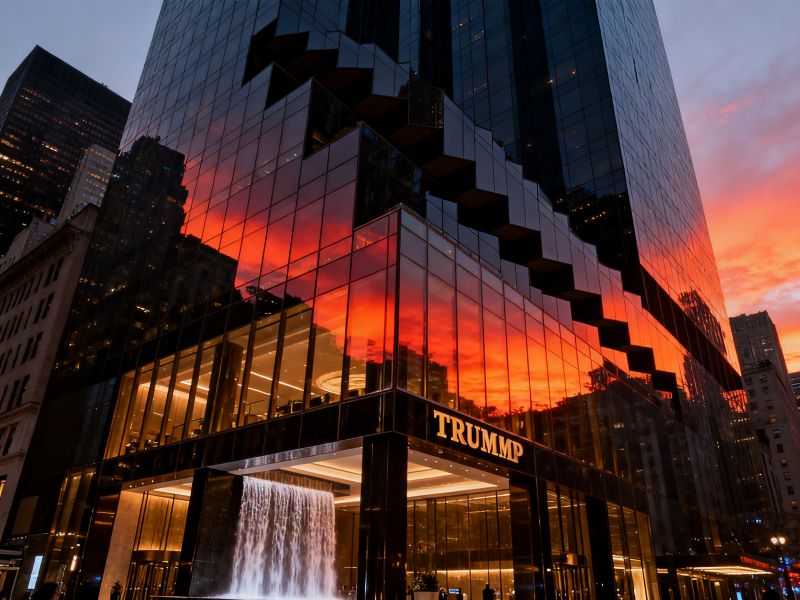
offices, retail—and remains a tourist draw, though the shine has dulled slightly. On a recent visit, the atrium felt quieter than I remembered, and some storefronts were under renovation. Yet the tower endures as a case study in how architecture can amplify a personality. Love it or hate it, Trump Tower is impossible to separate from the man who built it, and that's precisely why it matters.
Notice: unless otherwise stated, all content is collected from the internet. If it infringes your rights, please contact us for removal.